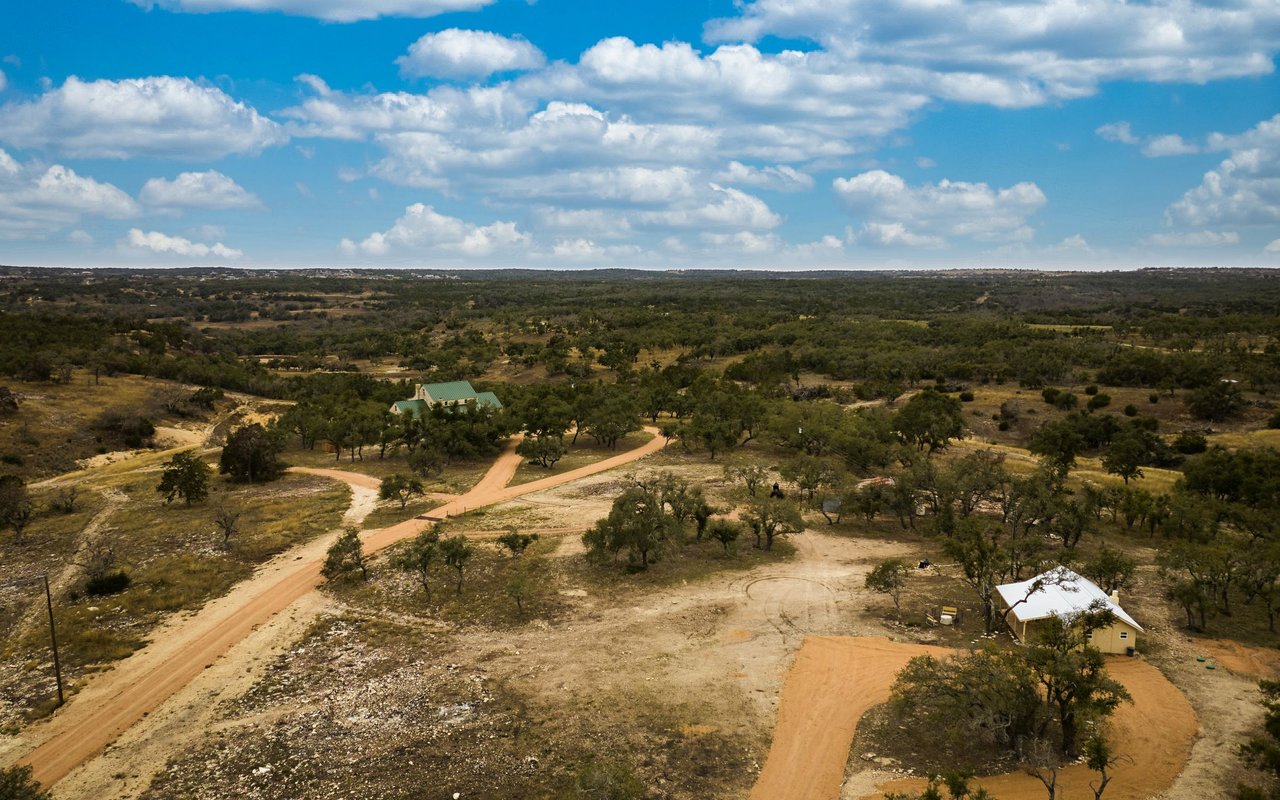
When several people inherit a ranch, dividing it can feel like the fairest answer.
Three siblings inherit 600 acres. Each receives 200 acres. Everyone gets a piece of the family property, and no one has to agree on whether to sell the whole ranch.
On paper, that sounds simple.
On the ground, a ranch is rarely that simple. One 200-acre tract may have the house, a reliable well, and paved road frontage. Another may have the best views but no independent access. A third may contain the ranch’s only stock tank or the infrastructure that supports the entire property.
Equal acreage does not necessarily mean equal value. And a division that appears fair at first can create new costs, complications, or disagreements later.
That does not mean a Texas ranch should never be divided before a sale. In some cases, a carefully planned division can create useful options, reach a broader buyer pool, or provide liquidity while the family keeps part of the land. In others, the ranch is more valuable, functional, or marketable as one property.
The important question is not simply, “How many acres should each person get?”
It is: “What would a division change—and does that change serve the family’s goals?”
Start by Defining What the Family Wants to Accomplish
Before anyone draws lines on a map, identify the objective.
Is the family trying to give each heir a tract of comparable value? Create cash for some owners while allowing others to keep land? Sell the part that is easiest to market? Retain a home place or a particular section of the ranch? Or maximize the total proceeds from a sale?
Those goals can point to different plans.
For example, a family seeking to preserve the home place may consider selling a portion of the ranch. A family seeking an equal division among heirs may need to compare values, not just acres. If the owners are ready to exit, selling the ranch intact may be more efficient than spending time and money preparing multiple tracts.
There may also be a reason to pause. If the real problem is that one heir has carried the expense and management burden, dividing or selling the ranch may not be the only solution. A management agreement, lease, buyout, or other ownership arrangement could address the underlying issue.
Be specific about the goal. “Make it fair” is a good starting point, but the family should define what fairness means: equal acreage, similar market value, comparable utility, liquidity, or some combination.
Compare the Ranch as a Whole With the Possible Tracts
A ranch should be evaluated in more than one configuration before the family commits to a division.
The first question is what the property might reasonably sell for as one ranch. The second is what the proposed tracts might be worth individually. Then compare the likely net results after accounting for the time, professional work, infrastructure, and transaction costs required to create and sell those tracts.
A larger, contiguous ranch may attract buyers who value privacy, scale, wildlife habitat, agricultural use, or room for a family compound. Smaller tracts may appeal to buyers looking for a manageable recreational property, a homesite, or a more accessible purchase price. Which buyer pool is deeper depends on the ranch’s location, features, market conditions, and the specific tract sizes being considered.
Do not assume the combined asking prices of several smaller tracts will equal money in hand—or exceed the value of the ranch as a whole. Separate sales may take longer, require additional preparation, and expose the family to changing market conditions between transactions.
A useful analysis compares:
- The likely market value of the ranch as one property
- The likely value of each proposed tract, based on its own characteristics
- The expected costs of surveying, legal and title work, access, utilities, and other improvements
- Any tax consequences that qualified advisors identify
- The time and uncertainty involved in selling multiple tracts
- What the family would retain, and whether the retained property would still work as intended
For estate, tax, or other formal purposes, the family may need a qualified appraiser. A ranch broker can help assess market positioning, comparable sales, and likely buyer demand. Those are different roles, and both may be useful.
Acreage Is Only One Part of Fairness
A map can make three tracts look equal while leaving them very different in practice.
Consider what each proposed tract would actually include:
- Road frontage and reliable legal access
- Wells, springs, tanks, water lines, and pumps
- The residence, barn, working pens, or other improvements
- Views, topography, tree cover, and usable pasture
- Easements, pipelines, utility lines, restrictions, or other encumbrances
- Wildlife habitat, grazing capacity, and the ability to manage the land
- Privacy and the character of the surrounding properties
A tract with the residence and primary water system may be more useful and valuable than a same-sized tract without those features. A boundary that divides a working system can also create a continuing need for shared maintenance, access, or cost-sharing.
If one heir receives a tract with more valuable features, the family may be able to account for the difference through a cash adjustment or another arrangement. The right approach depends on ownership, estate documents, family agreements, and professional advice. The point is to identify differences before the division is treated as equal.
Make Access Clear Before Creating New Parcels
Every tract needs dependable access that is legally documented and practical to use.
A gate, a road that has been used for years, or a neighbor’s verbal permission may not provide the long-term access a separate owner expects. If a new tract will depend on an easement across another parcel, the route, permitted uses, maintenance responsibilities, and rights of the parties need careful attention.
Access can affect whether a tract is usable, insurable, financeable, and marketable. It can also affect the property left behind. A new road may cross a homesite, interfere with ranch operations, or change the privacy of the remaining land.
Texas county subdivision and platting requirements depend on the circumstances and the rules that apply to the location. State law gives counties authority to regulate certain subdivisions, and the details can vary. A family should speak with the county and qualified land-use and real estate professionals before relying on an assumption about whether a proposed division requires a plat or other approval. An attorney should review easements and title questions when needed.
Keep Water and Infrastructure Working
Water is often one of the most important practical questions in a ranch division.
If one well, pipeline, storage tank, or pump currently serves the whole property, determine how the system would function after a division. Would each tract have its own dependable source? Would one owner need access to equipment on another tract? Who would pay to operate, repair, or replace shared infrastructure?
The family should also determine whether water-related rights or obligations are addressed in existing documents and whether a groundwater conservation district regulates wells in the area. The Texas Water Development Board provides information on groundwater districts and well records; local rules and site-specific facts matter.
The same exercise applies to roads, fences, electric service, septic systems, gates, and ranch improvements. If a division leaves the owners dependent on one another, the responsibilities should be planned and documented before the new boundaries are finalized.
Check the Agricultural and Wildlife Valuation Before Changing Use
Some Texas land receives special appraisal based on qualifying agricultural use or wildlife management. The family should not assume that a new boundary automatically ends the valuation—or that every resulting tract will continue to qualify without changes.
The intended use and management of each tract matter. A decision to stop qualifying activity, develop land, or change how a parcel is used may have property-tax consequences, including possible rollback taxes. Texas Comptroller guidance explains the special appraisal programs and change-of-use rules, but the county appraisal district and a qualified tax professional are the right sources for advice about a specific property.
Before a division or sale, ask what records support the current valuation, what activity will continue on each tract, and whether the proposed plan changes the land’s use. Get answers before the family acts, not after receiving an unexpected tax notice.
Consider What Happens to the Ranch as a Working Property
A ranch is a connected system. Dividing it may affect more than the sale price.
New boundaries can change how cattle move, where equipment can travel, who maintains a fence, or how a grazing or hunting lease operates. A tract may be physically separated from the improvements or water it depends on. New roads or homesites may alter privacy, wildlife movement, and the character of the property.
If the family plans to retain part of the ranch, look at that remainder as carefully as the tracts being sold. Will it still have the access, water, improvements, privacy, and acreage needed for the family’s intended use? A partial sale can make sense, but the land left behind must still make sense too.
Account for the Costs, Time, and Coordination
Creating marketable tracts can require more than a survey. Depending on the property and proposed plan, the process may involve title review, legal descriptions, easements, county review or platting, utility planning, road work, fencing, water improvements, and coordination among owners.
Some of that work may be necessary whether or not the family ultimately sells. Other costs may be avoidable if the ranch is marketed intact. Ask the relevant professionals to identify what the proposed plan actually requires, what can be confirmed early, and what remains uncertain.
Timing matters, too. A family may prefer to complete one sale rather than manage several listings and closings. Or the owners may be willing to take more time if separate sales could better meet their goals. Neither approach is automatically better; the family should compare the likely outcome with the effort and risk involved.
A Practical Way to Evaluate a Ranch Division
Before authorizing a subdivision or making promises about who receives which acreage, work through these steps:
- Clarify the goal. Decide whether the priority is equal value, liquidity, preserving a home place, maximizing proceeds, or another outcome.
- Confirm ownership and authority. Have the estate attorney or other appropriate professional clarify who owns the property and who can approve a sale or division.
- Assemble the property records. Gather deeds, surveys, easements, leases, tax records, water and well information, and improvement records.
- Evaluate multiple scenarios. Compare the ranch as a whole with realistic proposed tract configurations.
- Check feasibility. Ask the county, surveyor, title professional, attorney, and relevant utility or water professionals what approvals, access, infrastructure, or documents may be needed.
- Compare net outcomes. Include likely costs, timing, tax questions, and the condition and utility of the retained land.
- Document the agreement. Put boundaries, access, shared systems, maintenance, and financial arrangements into the appropriate legal documents.
The exact team will depend on the property. A broker can help the family understand market value and buyer demand. A surveyor can map potential boundaries. An attorney can advise on ownership, easements, and legal requirements. A tax advisor and appraisal district can help address tax questions. No single professional should be expected to answer every part of the decision.
Sometimes the Right Answer Is to Keep the Ranch Whole
There are ranches where the value lies partly in their scale and continuity. The water, habitat, roads, pastures, improvements, and privacy may work best together. Creating separate tracts could introduce more coordination and expense than the family wants.
There are also ranches where a thoughtful division can create a fairer or more workable result. A portion may be sold to provide liquidity while the family keeps the home place. One heir may be able to purchase a tract suited to their plans. Separate parcels may fit the local buyer market better than a single large offering.
The answer depends on the land and the family—not on a general rule that bigger is always better or that division always increases value.
Before dividing a Texas ranch, understand what the property is worth as one asset, what each proposed tract would be worth on its own, what it would take to make those tracts function, and what the family would be giving up or retaining.
A line on a map can be easy to draw. Its consequences can last for generations.
Stewardship means understanding those consequences before the family decides where the lines should go.
About Chris Stearns
Chris Stearns | Stearns Ranch Realty Group
Chris Stearns is a Texas ranch broker and ranch asset advisor serving landowners, families, fiduciaries, and sophisticated buyers throughout the Texas Hill Country, Central Texas, and South Texas. He helps families evaluate significant land transitions through defensible market analysis, disciplined planning, and thoughtful stewardship.
Stearns Ranch Realty Group
Fredericksburg, Texas
stearnsranchrealty.com
This article is for general informational purposes and is not legal, tax, appraisal, investment, or financial advice. Subdivision, access, title, water, and property-tax requirements depend on the property and applicable law. Consult qualified legal, surveying, tax, appraisal, and other professionals regarding your circumstances.