Wind Turbines and Ranch Value: How Wind Energy Can Affect the Sale of a Texas Ranch
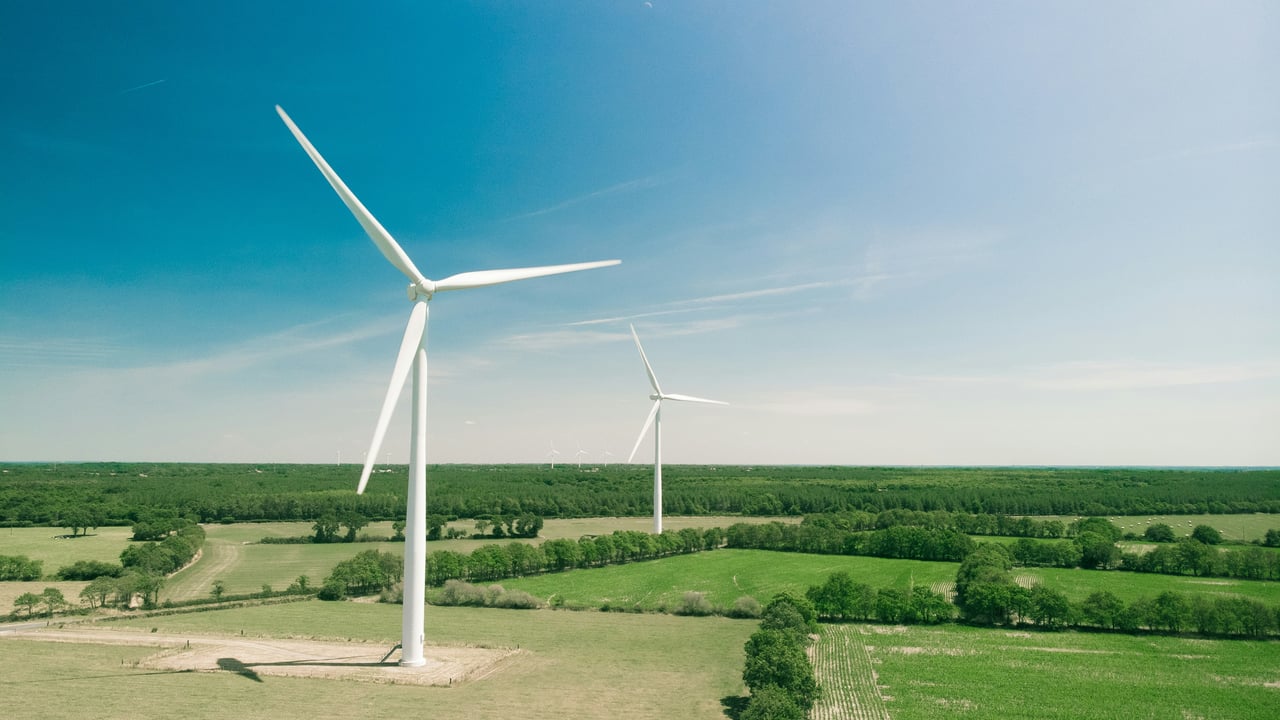
Wind energy has become a significant part of the Texas landscape. For some ranch owners, turbines provide dependable long-term income while allowing much of the land to remain in agricultural production. For others, wind development raises concerns about views, wildlife, access, future land use, and resale value.
The effect on a ranch sale is rarely as simple as saying wind turbines either increase or decrease value. The real answer depends on where the turbines are located, the income they produce, the terms of the wind lease, the character of the surrounding landscape, and—most importantly—the type of buyer likely to purchase the property.
A productive agricultural ranch with meaningful wind income may appeal to an investor. A recreational or legacy ranch whose value depends heavily on scenery, solitude, and an undisturbed horizon may face a different market reaction.
Wind Turbines Do Not Affect Every Ranch the Same Way
Ranch value is made up of several components:
- Agricultural productivity
- Recreational and hunting appeal
- Water, wildlife, and habitat
- Improvements
- Development potential
- Privacy and scenery
- Access and location
- Mineral, wind, and other income-producing rights
Wind development can improve some of these characteristics while weakening others.
The clearest example is income. A well-structured wind lease can produce revenue with relatively little loss of grazing acreage. That income may increase the ranch’s investment value and help offset taxes, maintenance, and operating costs.
At the same time, turbines, access roads, substations, transmission lines, and maintenance activity can change the ranch’s appearance and character. Buyers seeking an income-producing agricultural asset may accept those changes. Buyers looking for a private hunting retreat, scenic homesite, conservation property, or multigenerational family ranch may not.
Therefore, the question is not merely, “Do turbines reduce value?” It is:
How do the turbines affect this ranch’s highest-value use and the buyers most likely to pursue it?
Turbines Located on the Ranch
When turbines are located directly on the property, the ranch may receive several types of compensation. Depending on the lease, payments may include:
- Development or option payments
- Turbine-location payments
- Royalties based on electricity production
- Payments for roads, collection lines, substations, or transmission easements
- Construction-damage payments
- Minimum annual guarantees
- Escalation provisions tied to inflation or another index
Texas A&M AgriLife notes that wind compensation commonly includes payment for easements and land use, along with some form of payment connected to the electricity generated. These agreements can create a meaningful income stream, but their value depends heavily on their specific terms. Texas A&M AgriLife Extension
From a buyer’s perspective, dependable wind income may:
- Improve the ranch’s annual return
- Reduce carrying costs
- Make the property attractive to income-oriented investors
- Support a higher purchase price when the income is transferable and predictable
- Provide income without taking the entire ranch out of agricultural use
However, buyers will seldom give full dollar-for-dollar credit for all projected future payments. They will consider the remaining lease term, payment history, operator creditworthiness, production variability, termination rights, and restrictions imposed on the property.
A lease producing strong income can add value, but a complicated or poorly drafted lease can become an encumbrance.
Nearby Turbines May Present a Different Challenge
A ranch does not have to contain turbines to be affected by them. Turbines located on neighboring land can still change views, nighttime lighting, road traffic, sound conditions, and the overall perception of the area.
This can produce an unfavorable situation for the ranch owner: the property experiences some of the visual or practical effects of a wind project but receives none of the lease income.
The effect will depend on:
- Distance from the turbines
- Number and height of turbines
- Visibility from the residence and primary gathering areas
- Visibility from elevated portions of the ranch
- Location of transmission lines and substations
- Existing vegetation and topography
- The ranch’s primary use and buyer profile
Research concerning residential properties has produced mixed results over time. A 2023 Lawrence Berkeley National Laboratory study found an average temporary price effect for homes within one mile of newly announced wind projects, with much smaller effects between one and two miles and no measurable effect beyond two miles. The study also found that prices tended to recover after the projects had been operating for several years. Importantly, the results were driven primarily by properties in more populated metropolitan counties, so they should not automatically be applied to large rural ranches. Lawrence Berkeley National Laboratory
Ranches must be evaluated individually because acreage, income, improvements, recreational value, and buyer motivation vary far more than they do in a typical residential subdivision.
Views, Solitude, and the Buyer Pool
Scenic character is difficult to measure, but it can be one of the most important value drivers in the ranch market.
A buyer purchasing productive farmland may place limited value on an uninterrupted horizon. A buyer purchasing a Hill Country retreat, hunting ranch, luxury estate, or conservation property may consider it essential.
Wind turbines may affect:
- Views from a residence or potential homesite
- The feeling of privacy or remoteness
- Sunrise and sunset views
- Night-sky quality because of aviation lighting
- Photography, hospitality, or event uses
- The emotional experience of the property
This does not necessarily make the ranch unsalable. It may, however, change the buyer pool. When fewer buyers are willing to consider a property, marketing time can increase and buyers may expect a price adjustment.
The greatest risk is often not a precise percentage loss in appraised value. It is the loss of competitive tension because otherwise qualified buyers eliminate the ranch before making an offer.
Access Roads and Surface Use
Wind projects require infrastructure. In addition to the turbines themselves, a ranch may contain or be affected by:
- Wide all-weather roads
- Underground collection lines
- Overhead transmission lines
- Equipment staging areas
- Crane pads
- Substations
- Gates and access points
- Operations and maintenance traffic
These improvements can produce both benefits and limitations.
A good road system may improve access to distant portions of the ranch and reduce the owner’s road-maintenance burden. On the other hand, broad roads and utility corridors can fragment habitat, affect hunting patterns, interfere with grazing rotations, and alter the appearance of the property.
The lease should establish who maintains the roads, who controls gates, when the operator may enter, how damages are handled, and whether the landowner can use the project roads.
Wildlife and Recreational Considerations
Wildlife concerns can also influence ranch buyers, particularly when the property is being marketed for hunting, conservation, or ecological value.
The U.S. Geological Survey recognizes that wind facilities can affect birds and bats through collisions and may also affect wildlife indirectly through noise, habitat loss, and changes in habitat use. Roads, fences, and transmission corridors can create additional habitat disturbance. U.S. Geological Survey
This does not mean every wind project materially harms hunting or wildlife populations. The effect depends on turbine placement, habitat type, migration routes, construction activity, existing land management, and the species present.
For a seller, the important point is that serious recreational buyers may ask about wildlife studies, mortality monitoring, habitat fragmentation, road activity, and observed changes in game movement. Accurate records and firsthand management history can help answer those questions.
The Wind Lease Is Part of the Property Due Diligence
Before placing a wind-affected ranch on the market, the owner and the owner’s attorney should review every relevant document, including:
- Wind lease or option agreement
- Memorandum of lease filed in the county records
- Amendments and assignments
- Road and utility easements
- Transmission agreements
- Payment statements
- Production records
- Tax provisions
- Insurance and indemnity requirements
- Decommissioning obligations
- Confidentiality provisions
- Lender or mortgagee agreements
A buyer will want to determine whether the lease transfers with the property, which payments belong to the buyer after closing, and whether any payments have been prepaid, assigned, reserved, or pledged.
The agreement may also restrict where the owner can build, drill a well, construct a tower, plant certain vegetation, hunt near equipment, or develop portions of the ranch. These restrictions can affect the property’s future use even when the actual turbine footprint is relatively small.
Decommissioning Matters
Eventually, turbines reach the end of their useful life. A buyer will want to know who must remove the equipment and restore the surface.
Texas law requires qualifying wind agreements entered into or amended after September 1, 2019, to contain certain removal and financial-assurance provisions. These requirements address the removal of turbines and associated facilities, surface restoration, and financial security intended to support the operator’s obligations. Older leases may not contain the same protections and deserve especially careful review. Texas A&M AgriLife explanation of the statutory requirements
Questions to examine include:
- When is a turbine considered abandoned?
- How long does the operator have to remove it?
- Must foundations be removed, and to what depth?
- Who removes roads and underground lines?
- How will pastureland and native vegetation be restored?
- Is adequate financial assurance already in place?
- Does the financial assurance adjust as removal costs increase?
- What happens if the operator becomes insolvent?
Unclear decommissioning obligations can become a significant concern during a sale.
How Wind Income Should Be Presented
A seller should not simply add the total projected lease payments to the underlying land value. Future payments must be analyzed for risk and converted into a present value.
A useful wind-income analysis should identify:
- Actual payments received during recent years
- Minimum guaranteed payments
- Production-dependent payments
- Remaining lease term
- Renewal options
- Annual escalation clauses
- Operator and guarantor
- Assignment rights
- Operating expenses charged to the landowner
- Tax consequences
- Expected decommissioning obligations
This allows prospective buyers to distinguish dependable income from speculative projections.
The ranch should ideally be evaluated in two parts:
- The underlying value of the land, water, improvements, and recreational attributes.
- The present value of the transferable wind income, adjusted for risk and restrictions.
That approach makes the pricing rationale easier to understand and defend.
Preparing a Wind-Affected Ranch for Sale
A ranch with turbines—or with nearby wind development—can still be successfully marketed, but it requires preparation.
Before listing, the seller should:
- Assemble the complete lease and easement file
- Obtain a payment history
- Map every turbine, road, line, substation, and easement
- Identify construction and use restrictions
- Confirm which payments transfer at closing
- Review decommissioning security
- Document road maintenance and surface-damage procedures
- Evaluate visibility from residences and prime homesites
- Gather available wildlife and environmental information
- Have an attorney review legal obligations and assignment provisions
- Develop pricing that separately considers the land and income stream
The marketing strategy should then speak honestly to the right buyer. If the project provides dependable income, that income should be clearly documented. If most of the ranch remains usable for grazing, hunting, or farming, the usable acreage should be demonstrated. If turbines are visible but not located on the ranch, the property should be positioned and priced with that competitive reality in mind.
The Bottom Line
Wind turbines are neither automatically an asset nor automatically a fatal flaw.
They can provide valuable income, improved roads, and long-term financial stability. They can also affect views, wildlife habitat, future development, financing, and the number of buyers willing to consider the property.
In many cases, the biggest mistake is trying to market a wind-affected ranch exactly like a ranch with no wind development. The property’s income, restrictions, physical impacts, and likely buyer pool need to be evaluated separately.
A successful sale begins with understanding the entire asset—not only what is on the surface, but also the agreements, obligations, and income tied to the land.
This article is intended for general informational purposes and is not legal, tax, engineering, environmental, or appraisal advice. Wind leases and easements should be reviewed by qualified Texas legal and tax professionals before a property is marketed or transferred.